Examination instruments
This is where you will find the instruments for the values taken at the start of almost every assessment — blood pressure, oxygen saturation, pulse and body temperature — plus an otoscope for ear examination.
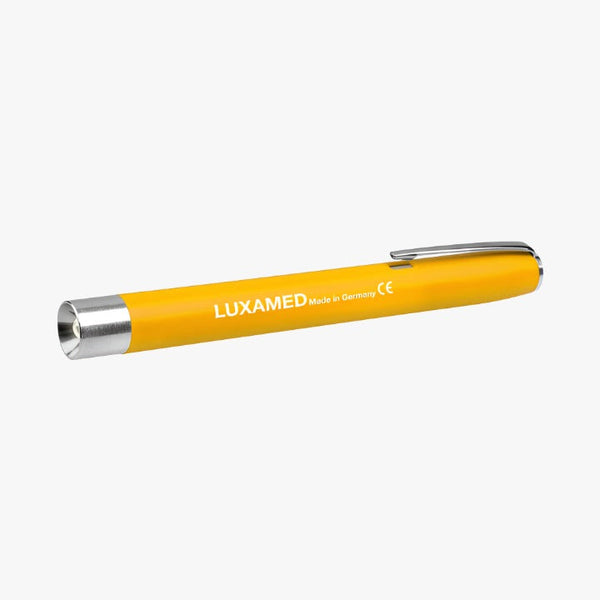
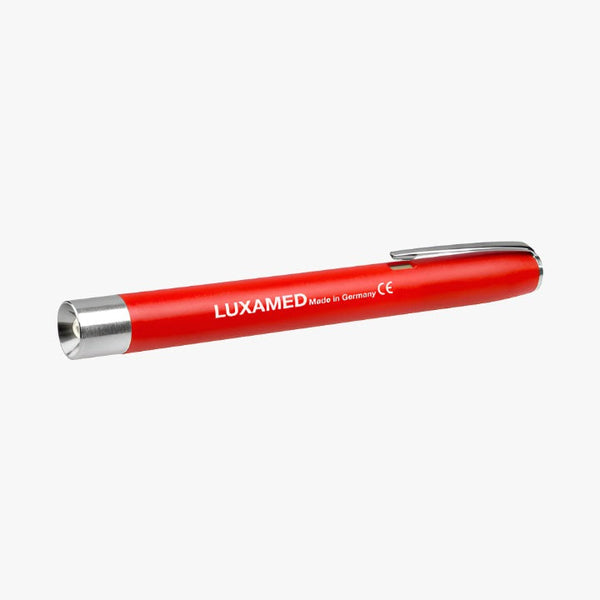
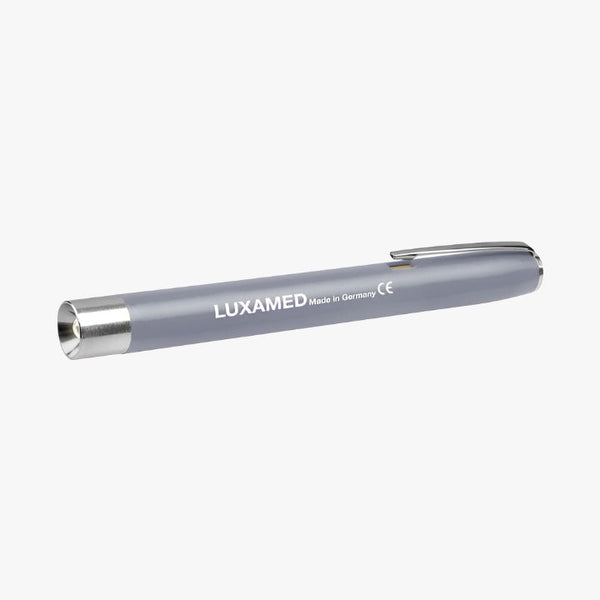
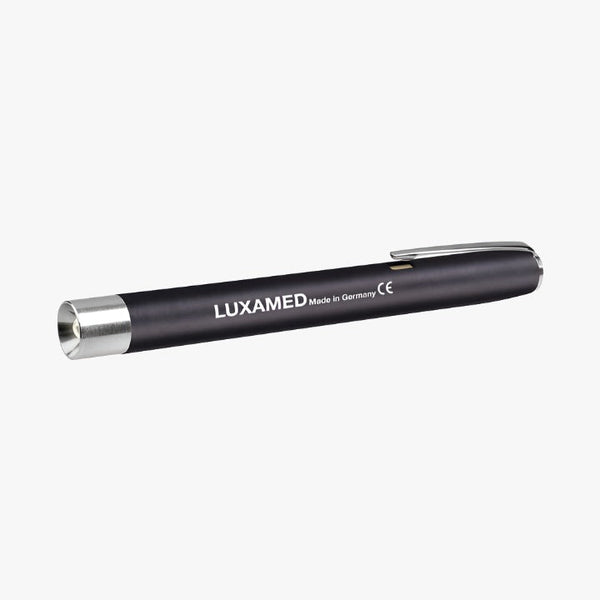
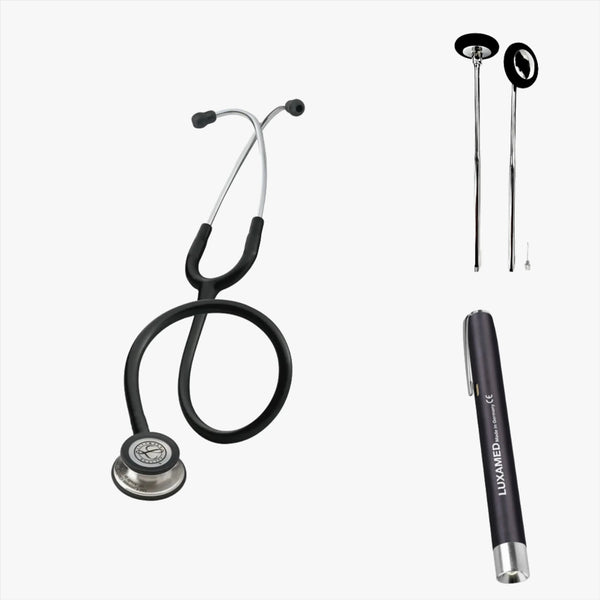
Equipment for everyday clinical work, not for home health checks: manual blood pressure monitors with a Boso manometer, fully automatic monitors and pulse oximeters from Beurer, a clinical thermometer, an ear thermometer with lens filters and an otoscope from Luxamed.
Examination instruments — all products








All 46 products are shown
Vanliga frågor om examination instruments
Manual or automatic blood pressure monitor?
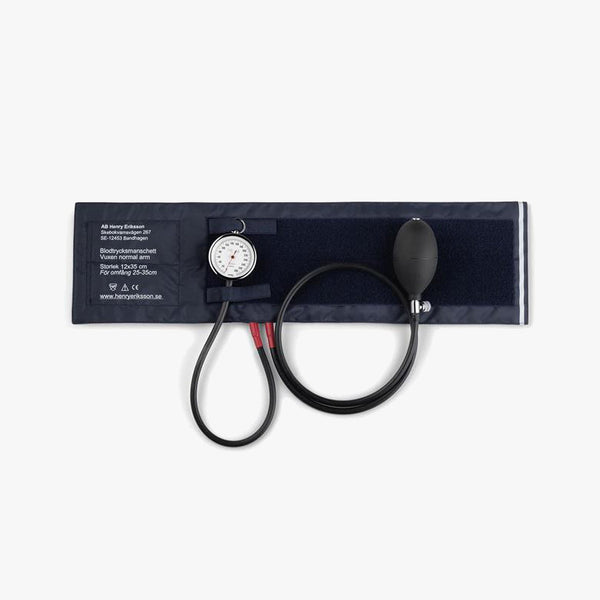
Manual measurement with cuff, inflation bulb and stethoscope gives you control: you hear the sounds yourself and can repeat the measurement immediately if the value seems implausible. An automatic monitor is faster when many people need checking in a row, but becomes less reliable with an irregular heart rhythm. Many services use both.
Which cuff size should I choose?
The cuff should fit the circumference of the upper arm — a cuff that is too small gives too high a reading. The manual models come in 12 x 35 cm and 15 x 43 cm, the larger covering bigger upper arms. If your patients vary widely in arm size, you will normally need both.
What is the perfusion index on a pulse oximeter?
The perfusion index shows how strong the pulse signal is where the sensor sits. It therefore tells you how much you can trust the reading at that moment: with a cold hand, poor peripheral circulation or vigorous movement, the signal becomes weak and the oxygen saturation unreliable. The PO 40 and PO 45 display the value; the PO 30 does not.
Why are lens filters needed for the ear thermometer?
The lens filter is changed between patients for hygiene reasons, and at the same time keeps the lens free of earwax — dirt on the lens gives incorrect readings. They are sold in 20-packs and fit the ThermoScan. Allow one filter per measurement and keep a spare pack where the thermometer is used.
Is the equipment suitable for home use?
The range is chosen for professional use — clinics, wards, ambulances, training providers and education — and is therefore built to be used many times a day on different patients. Nothing prevents a private purchase, but the advice and selection are based on the working day of healthcare staff, not on health checks at home.