Needle holders
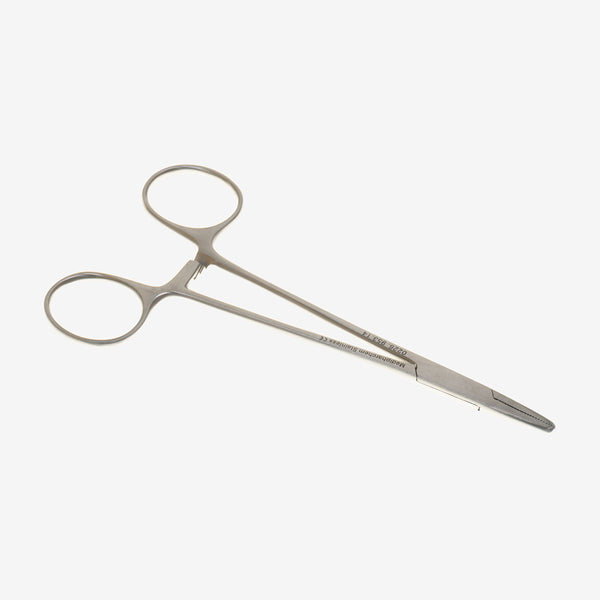
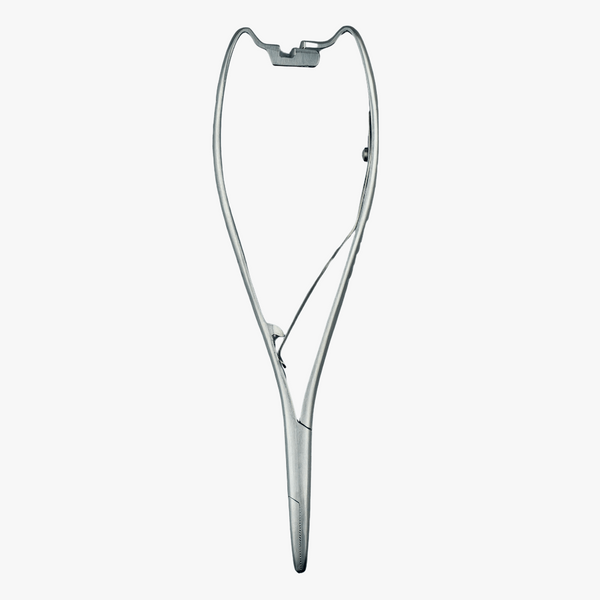
Needle holder and needle driver are two names for the same instrument. Mayo-Hegar is the standard model with ring handles, Olsen-Hegar has built-in scissors, Crile-Wood is slimmer and Mathieu locks with a squeeze of the hand.
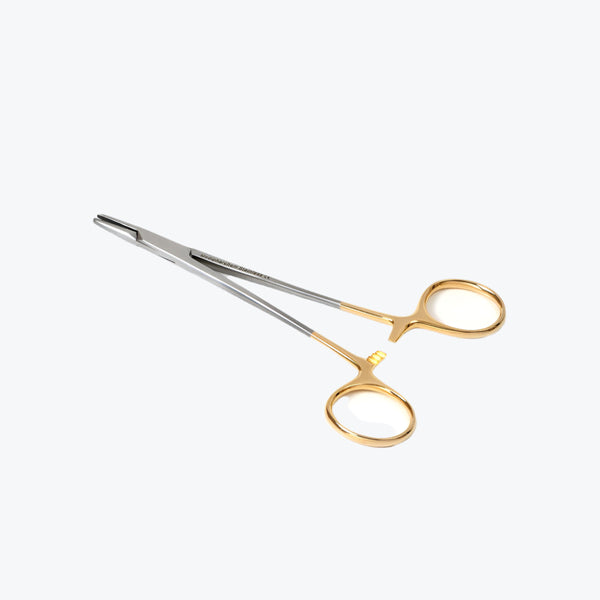
Mayo-Hegar in 14, 16, 18 and 20 cm, Olsen-Hegar in 14 and 16 cm, Crile-Wood at 15 cm and Mathieu in 14 and 17 cm. Stainless steel instruments, one Mayo-Hegar model with tungsten carbide inserts in the jaws.
Needle holders — all products




Vanliga frågor om needle holders
Is it called a needle holder or a needle driver?
Both are established names for the same instrument. Needle holder is the most common term in instrument catalogues, and needle driver is used in parallel. What distinguishes the products is the model name — Mayo-Hegar, Olsen-Hegar, Crile-Wood or Mathieu — not the word.
Mayo-Hegar or Olsen-Hegar?
Mayo-Hegar is the standard choice and the instrument most people learned on. Olsen-Hegar does the same job but has scissor blades behind the jaws, so needle driving and cutting are done with one instrument. That saves time when you work alone, but requires your hand to be used to it — otherwise the suture is easily cut too early.
Which length should I choose?
14 cm is the most common and is sufficient for close, superficial work. 16–18 cm gives more distance between hand and field and a better view of the working area, and 20 cm is available for deeper work. Length affects reach, not the grip on the needle — that is determined by the jaws.
What do tungsten carbide inserts mean?
That the gripping surfaces of the jaws have inserts of a harder material than the rest of the instrument steel. The intention is for the gripping surface to hold the needle more securely and retain its structure longer than a plain steel jaw. In practice the difference only shows after longer use, so for occasional use an ordinary steel model does the same job.